Pegavo Cocina, Cuban Home Kitchen

Cuban Cooking Without Vegetable Oil

Long before seed oil ever sat on a store shelf, Cuban kitchens cooked with what they had: manteca, good olive oil, a slow fire and a sofrito that took its time. This is that kitchen, written down.

Así se cocina en casa.

Explore the Recipes
A classic car parked along a colorful street in Havana, Cuba
Manteca Primero Lard leads the pan
A Fuego Lento Low and slow, always
Sofrito de Verdad A real sofrito, built from scratch

The Recipes

Six Dishes, Cooked the Way Havana Kitchens Always Have

Shredded beef ropa vieja simmered in a tomato and pepper sofrito
Meat

Ropa Vieja

Shredded beef simmered down into a bright tomato and pepper sofrito until the sauce clings to every strand. An old-school Havana Sunday dish.

  • Time3 hr 30 min
  • Serves6
  • DifficultyIntermediate
  • Cooked InLard & Olive Oil

Ingredients

  • 2 lb flank steak
  • 3 tbsp lard
  • 2 tbsp olive oil
  • 1 large yellow onion, sliced
  • 1 green bell pepper, sliced
  • 1 red bell pepper, sliced
  • 4 garlic cloves, minced
  • 1 can crushed tomatoes
  • 1/2 cup dry white wine
  • 2 bay leaves, 1 tsp cumin, salt and pepper

Method

  1. Simmer the steak in salted water with a bay leaf until fork tender, about 1.5 to 2 hours, then cool it in the broth.
  2. Shred the beef by hand along the grain, keeping the strands long.
  3. Warm the lard in a wide pot and soften the onion and peppers until they turn sweet.
  4. Add the garlic, cook until fragrant, then stir in the crushed tomatoes and wine.
  5. Fold in the shredded beef with a ladle of the reserved broth and simmer uncovered until the sauce thickens.
  6. Finish with a swirl of olive oil off the heat and season with cumin, salt and pepper.
  7. Serve over white rice with a side of black beans.
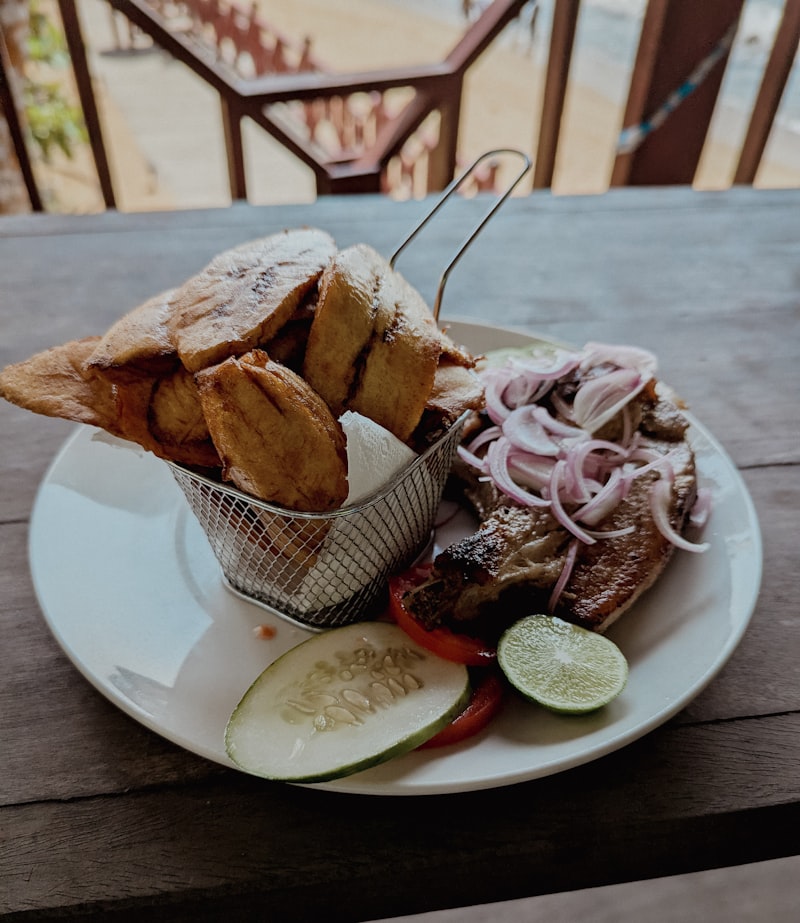
Pan seared fish finished in a garlic sour orange mojo criollo
Fish

Pescado con Mojo Criollo

Pan-seared white fish finished in a garlicky sour orange mojo. Bright, quick and built entirely on olive oil.

  • Time30 min
  • Serves4
  • DifficultyEasy
  • Cooked InOlive Oil

Ingredients

  • 4 white fish fillets (mahi or snapper)
  • 4 tbsp olive oil, divided
  • 1/2 cup sour orange juice (or lime and orange mixed)
  • 5 garlic cloves, thinly sliced
  • 1 tsp dried oregano
  • 1/2 tsp ground cumin
  • 1 small red onion, thinly sliced
  • Salt and pepper
  • Fresh cilantro or parsley, for garnish

Method

  1. Pat the fillets dry and season with salt and pepper.
  2. Heat 2 tablespoons of olive oil in a heavy skillet and sear the fish two to three minutes per side until golden. Move it to a plate.
  3. In the same skillet, warm the remaining olive oil and add the garlic, letting it turn light gold, not brown.
  4. Pour in the sour orange juice and let it bubble for a minute, scraping up the browned bits.
  5. Stir in the oregano and cumin, then spoon the hot mojo straight over the fish.
  6. Scatter the red onion and cilantro on top and serve right away.
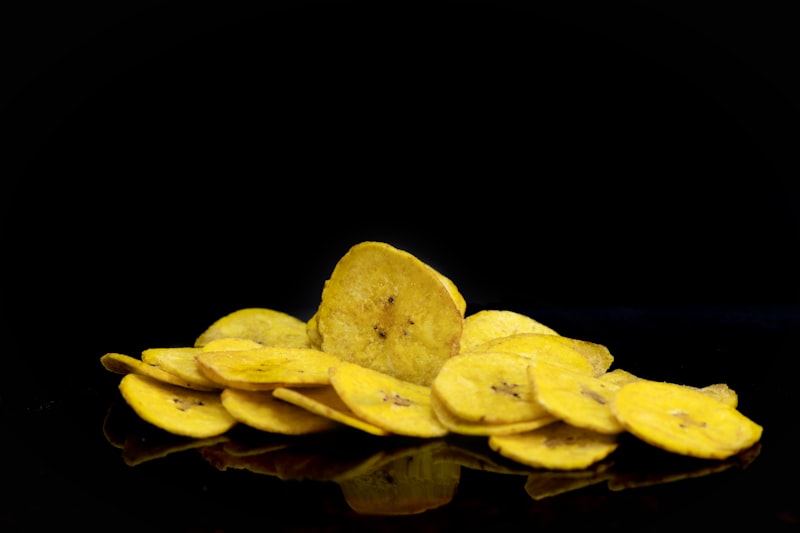
Twice fried green plantain tostones stacked on a plate
Vegetable

Tostones

Twice-fried green plantains, shattering on the outside and soft within, smashed the way abuela always did it.

  • Time35 min
  • Serves4
  • DifficultyEasy
  • Cooked InCoconut Oil or Lard

Ingredients

  • 3 large green plantains
  • 2 cups coconut oil (or lard), for frying
  • Kosher salt
  • 2 garlic cloves, crushed
  • 1/4 cup water
  • Juice of 1 lime
  • Pinch of cumin
  • Chopped cilantro, for the dipping mojo

Method

  1. Peel the plantains and slice them into inch-thick rounds.
  2. Heat the coconut oil to medium and fry the rounds about three minutes per side until pale gold. Lift them onto a rack.
  3. Smash each round flat between two pieces of parchment or the bottom of a glass.
  4. Return the flattened plantains to the hot oil and fry again until the edges turn deep golden and crisp.
  5. Drain on a rack and salt them the moment they come out of the oil.
  6. Whisk the garlic, water, lime juice and cumin for a quick dipping mojo and serve alongside.
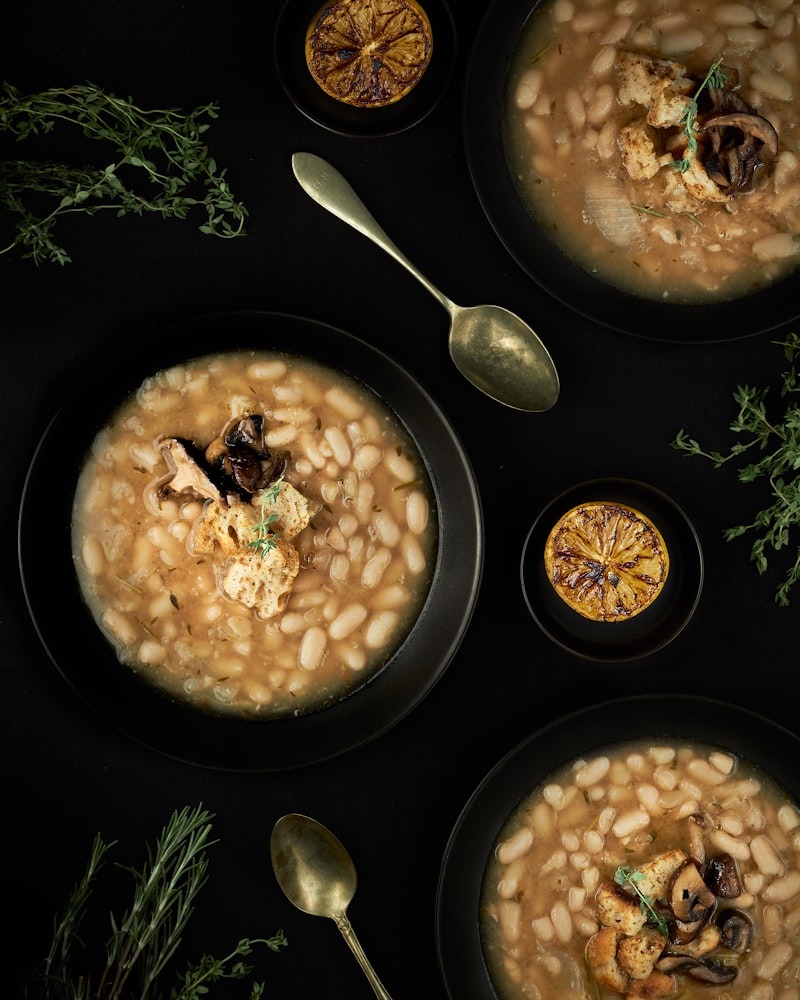
A pot of caldo gallego with white beans potatoes and collard greens
Soup

Caldo Gallego

A hearty white bean, potato and collard green soup that Cuban kitchens borrowed from Galicia and made entirely their own.

  • Time2 hr
  • Serves8
  • DifficultyIntermediate
  • Cooked InLard & Butter

Ingredients

  • 1 lb dried white beans, soaked overnight
  • 2 tbsp lard
  • 1 smoked ham hock
  • 1/2 lb chorizo, sliced
  • 1 onion, chopped
  • 4 garlic cloves, minced
  • 3 potatoes, diced
  • 1 bunch collard greens, chopped
  • 1 tsp smoked paprika
  • 1 bay leaf, salt and pepper

Method

  1. Drain the soaked beans and set aside.
  2. Render the lard in a heavy pot and brown the chorizo until it colors the fat.
  3. Add the onion and garlic and cook until soft and translucent.
  4. Pour in water, the ham hock, beans and bay leaf, then simmer low for about an hour until the beans start to break down.
  5. Stir in the potatoes and simmer until just tender.
  6. Fold in the collard greens and smoked paprika, cooking another ten minutes.
  7. Pull the ham hock, shred the meat back into the pot, adjust the salt, and serve steaming with bread.
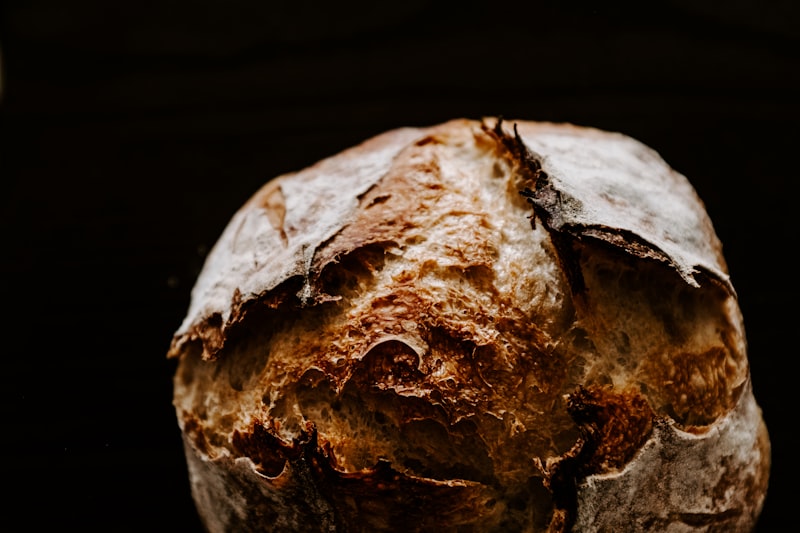
A loaf of Cuban bread with its classic crackling crust
Bread

Pan Cubano

The crackling crust of Cuban bread comes from one thing: lard worked straight into the dough. No other fat gets you there.

  • Time3 hr (incl. proofing)
  • ServesMakes 2 loaves
  • DifficultyIntermediate
  • Cooked InLard (Manteca)

Ingredients

  • 5 cups bread flour
  • 1 3/4 cups warm water
  • 2 1/4 tsp active dry yeast
  • 1 tbsp sugar
  • 2 tsp salt
  • 3 tbsp lard (manteca), softened
  • Cornmeal, for dusting the pan

Method

  1. Bloom the yeast in the warm water with the sugar until it foams.
  2. Work the lard into the flour and salt with your fingers until the mixture feels sandy.
  3. Pour in the yeast mixture and knead until the dough turns smooth and a little tacky.
  4. Let the dough rise, covered, until doubled, about an hour.
  5. Shape it into two long loaves, score a shallow line down the center, and rest thirty minutes.
  6. Bake in a hot oven with a pan of water on the rack below for steam, until the crust turns deep gold and sounds hollow when tapped.
  7. Cool on a rack before slicing. It is the manteca worked into the dough that gives Pan Cubano its crackling crust.
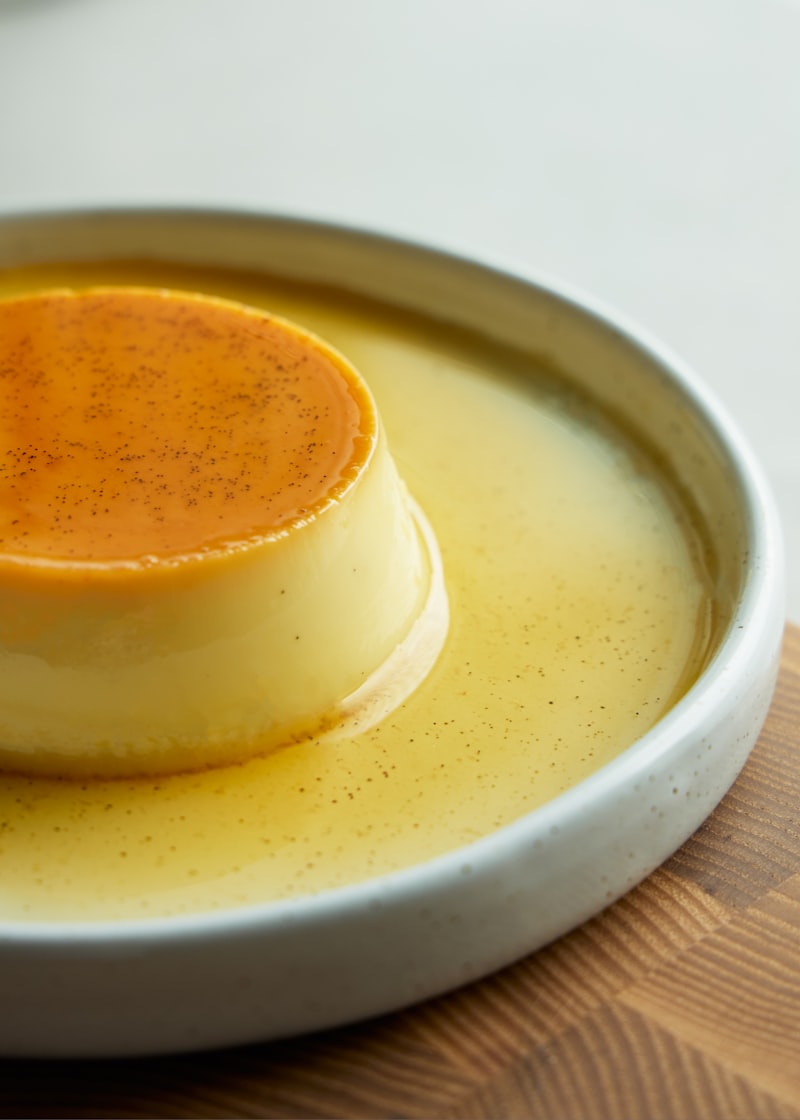
A silky coconut caramel flan de coco on a plate
Dessert

Flan de Coco

A silky coconut caramel flan, the dessert every Cuban abuela has her own version of, and defends fiercely.

  • Time1 hr 15 min + chilling
  • Serves8
  • DifficultyIntermediate
  • Cooked InButter

Ingredients

  • 1 cup sugar, for the caramel
  • 5 large eggs
  • 1 can sweetened condensed milk
  • 1 can evaporated milk
  • 1/2 cup coconut milk
  • 1/2 cup shredded coconut
  • 1 tsp vanilla extract
  • Pinch of salt
  • Butter, for greasing the mold

Method

  1. Melt the sugar over medium heat without stirring until deep amber, then pour it into the base of a flan mold, tilting to coat the sides.
  2. Butter the top rim of the mold so the flan releases cleanly later.
  3. Whisk the eggs, then blend in the condensed milk, evaporated milk and coconut milk until smooth.
  4. Stir in the shredded coconut, vanilla and a pinch of salt.
  5. Pour the custard over the set caramel and cover the mold tightly with foil.
  6. Bake in a water bath at a gentle temperature until the center barely jiggles, about fifty minutes.
  7. Chill for at least four hours, then run a knife around the edge and invert onto a plate to serve.

Our Kitchen

Pegavo Cocina began as notes scribbled on the side of a stovetop, recipes passed down the way they always are in Cuban families: by watching, by tasting, by doing it again until the hands remember. We cook with manteca and good olive oil because that is what the kitchen has always used, and because nothing else gets the flavor or the crust quite right. No shortcuts, no substitutions, just the way it has always been done at home.